The DAUN Framework

A Systems-Level Approach to Climate-Positive Agriculture

DAUN proposes an integrated framework with four interconnected pillars, each addressing critical dimensions of the nitrogen challenge while advancing food security and climate action.
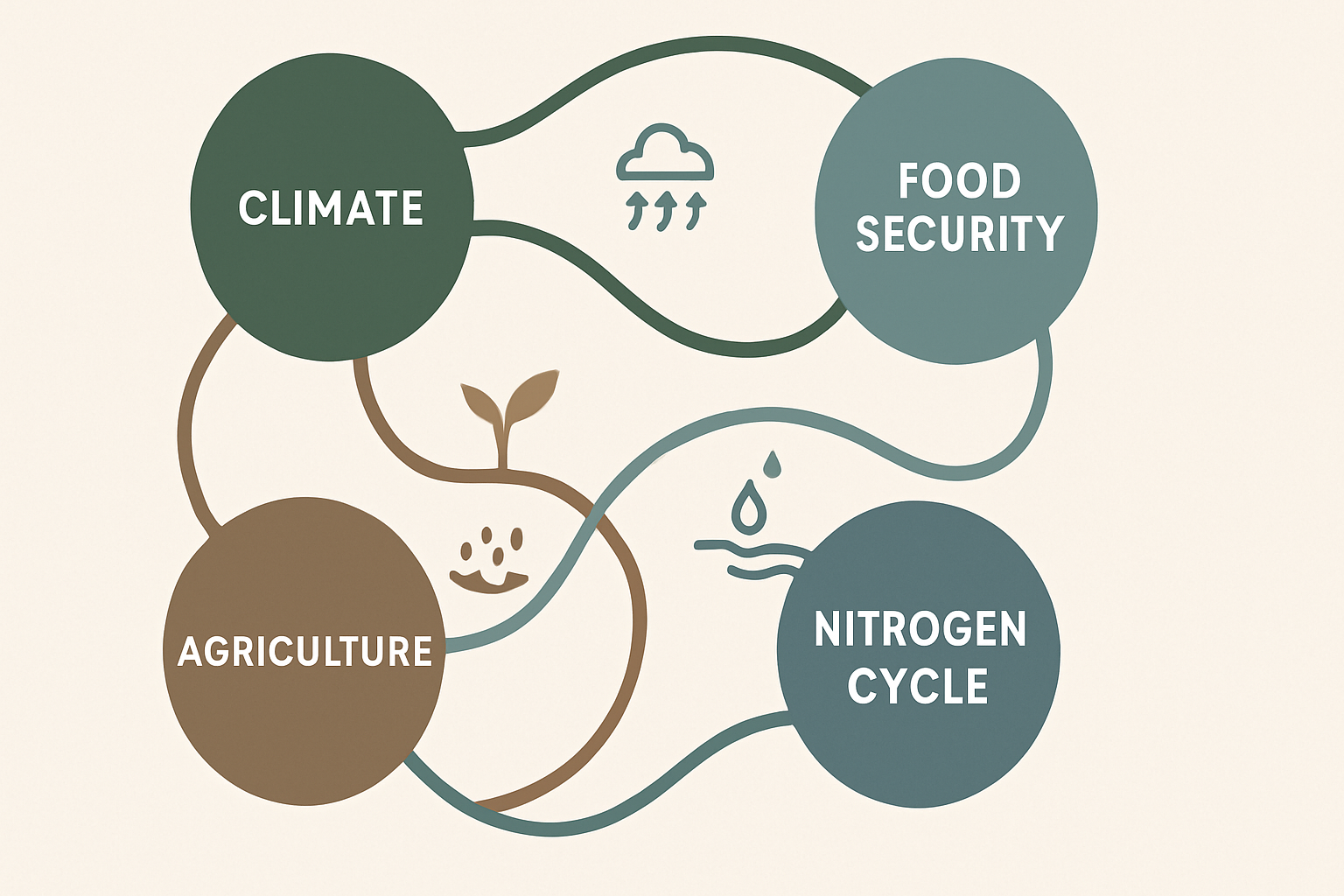
DAUN Systems Diagram

The four pillars of DAUN are interconnected, creating a systems-level approach that addresses climate, agriculture, nitrogen cycles, and food security simultaneously.
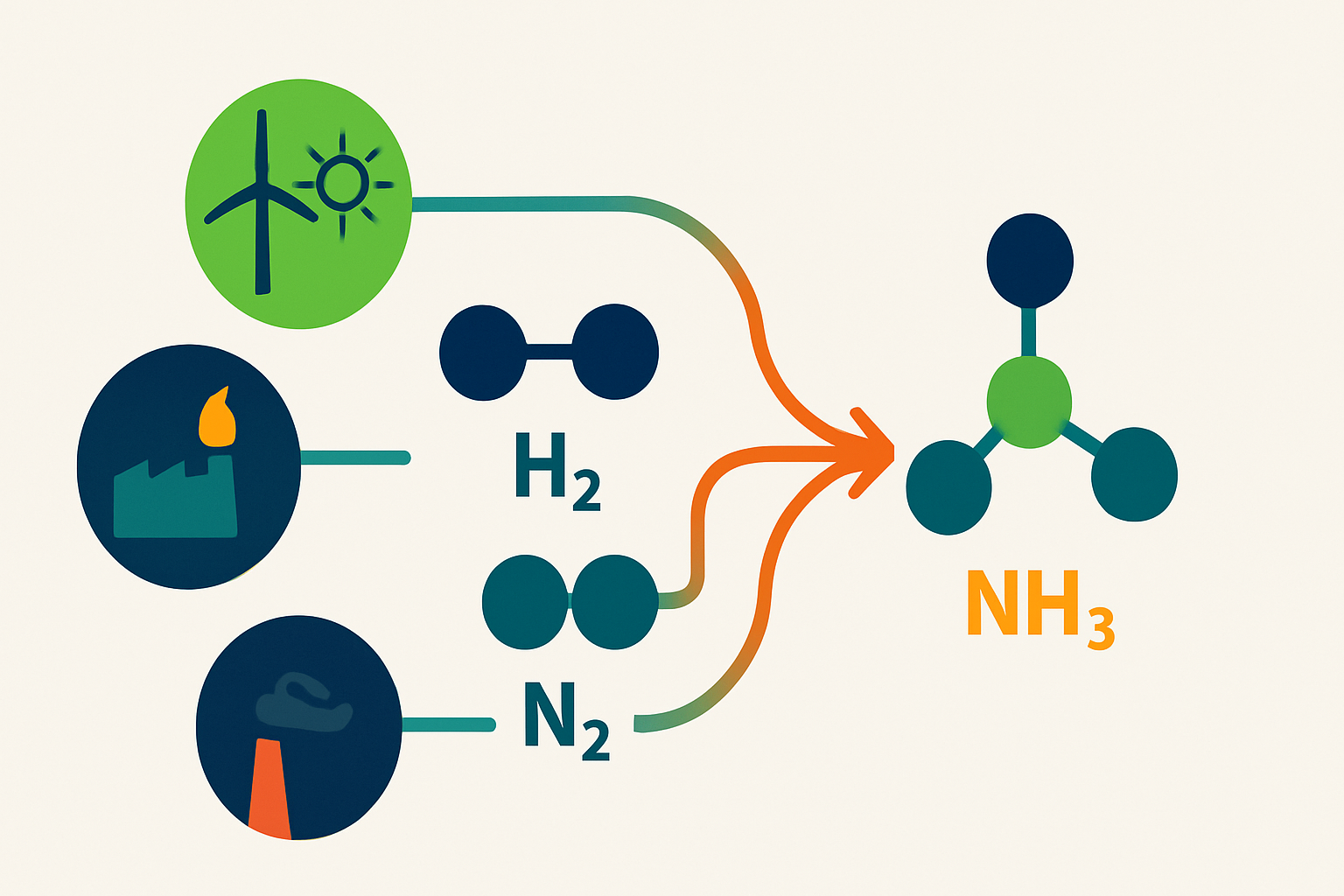
Ammonia synthesis from green hydrogen
1

Decarbonised Ammonia

Transitioning ammonia production from fossil fuels to renewable energy sources is fundamental to reducing agriculture's carbon footprint. This pillar focuses on enabling the shift to green hydrogen-based ammonia synthesis.

Green Hydrogen

Developing renewable hydrogen production through electrolysis powered by solar, wind, and other clean energy sources. This eliminates fossil fuel dependency in ammonia synthesis.

Regional Fertiliser Resilience

Supporting the development of regional ammonia production capacity, reducing global supply chain vulnerabilities and enabling countries to achieve agricultural self-sufficiency.

Reduced Fossil Dependency

Accelerating the phase-out of fossil fuel-based ammonia production, with clear timelines and support mechanisms for countries and companies making the transition.

2

Nitrogen Efficiency

Maximising the productivity of nitrogen fertilisers while minimising emissions is critical. This pillar focuses on precision agriculture, soil health, and reducing nitrous oxide emissions.

Precision Agriculture

Deploying digital technologies—sensors, data analytics, and AI—to optimise nitrogen application rates, timing, and placement, reducing waste and emissions.

Soil Regeneration

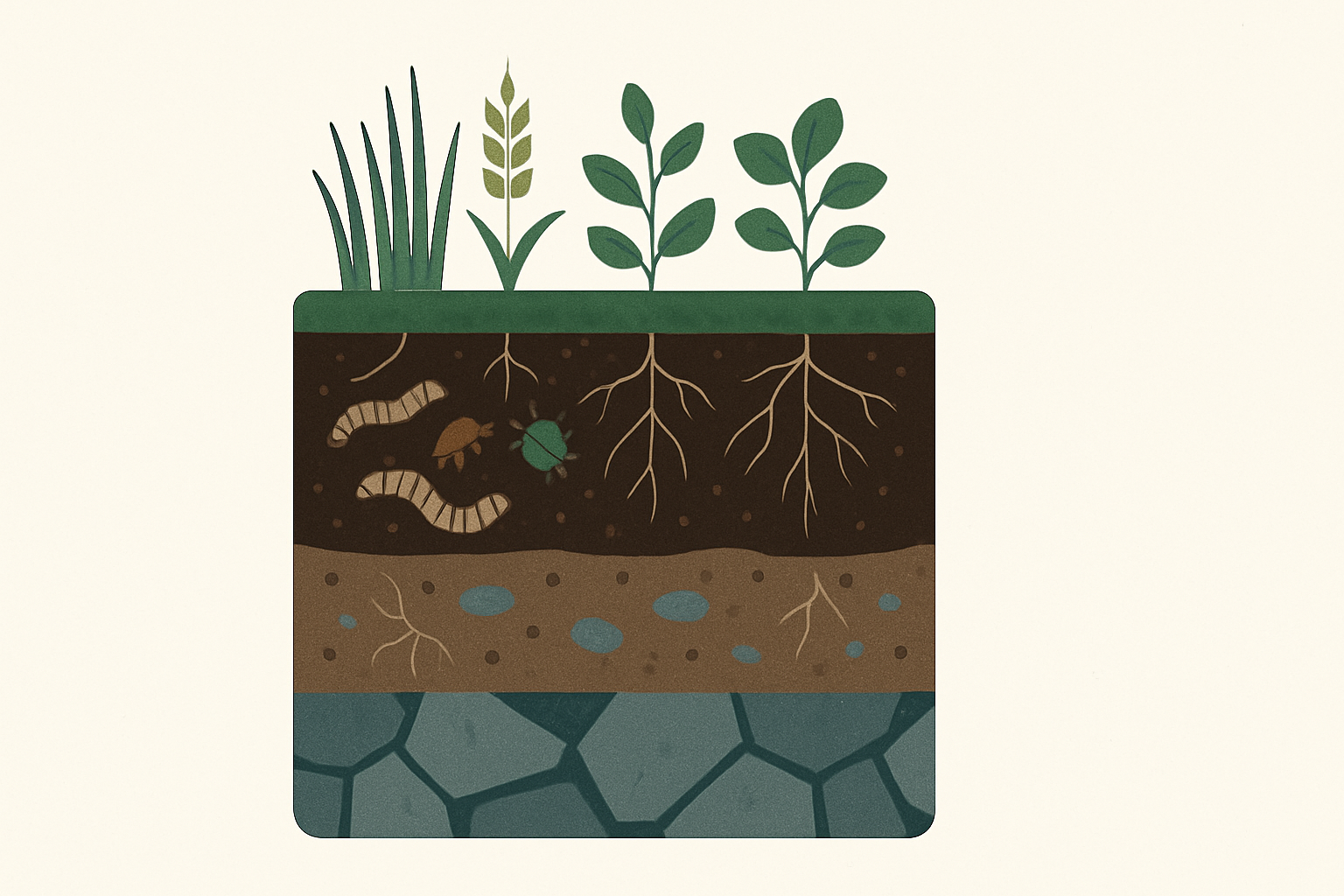
Implementing practices that rebuild soil organic matter and microbial communities, enhancing nutrient cycling and reducing the need for synthetic inputs.

Reduced N₂O Emissions

Adopting management practices and technologies that minimise nitrous oxide release from soils, including nitrification inhibitors and optimised fertiliser formulations.

Soil regeneration illustration
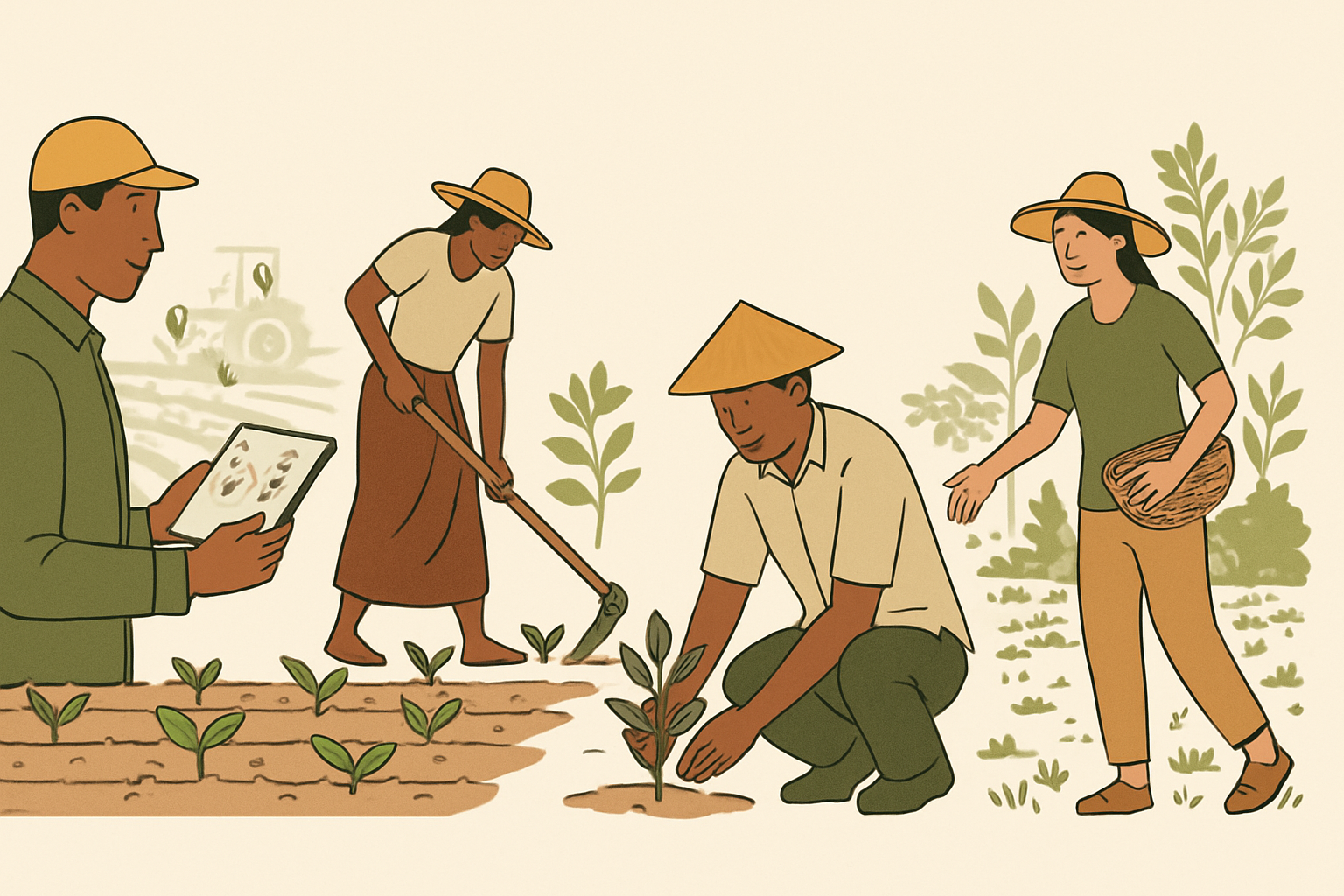
Global farmers working together
3

Food Security & Equity

Climate action must not compromise food security, particularly for vulnerable populations. This pillar ensures that nitrogen solutions benefit smallholder farmers and support equitable development.

Smallholder Inclusion

Ensuring that climate-positive nitrogen solutions are accessible and affordable for small-scale farmers, who produce a significant share of global food in the Global South.

Affordable Nutrient Access

Supporting mechanisms to make decarbonised fertilisers economically viable for developing countries, preventing a two-tier global agricultural system.

Climate-Resilient Yields

Developing agricultural systems that maintain or increase productivity while building resilience to climate impacts, ensuring long-term food security.

4

Governance & Literacy

Systemic change requires supportive policies, institutional frameworks, and widespread understanding. This pillar focuses on governance, education, and public awareness.

Nitrogen Accountability

Developing measurement, reporting, and verification (MRV) frameworks for nitrogen use and emissions, enabling countries to track progress and integrate nitrogen into climate commitments.

Farmer Education

Supporting training programs that equip farmers with knowledge and skills to implement nitrogen-efficient practices and adopt new technologies.

Public Awareness

Building understanding among policymakers, consumers, and the general public about the nitrogen challenge and the importance of integrated solutions.

Integration Points

  • Policy Integration: Nitrogen targets in NDCs and climate policies
  • Technology Transfer: Green ammonia and precision ag solutions to Global South
  • Finance Mechanisms: Climate finance supporting nitrogen transitions
  • Capacity Building: Technical support and knowledge sharing
  • Stakeholder Engagement: Multi-sector collaboration and partnerships

Implementation Approach

DAUN's framework is implemented through a combination of policy advocacy, technical support, capacity building, and multi-stakeholder partnerships.

Policy Advocacy

Working with governments and international bodies to integrate nitrogen considerations into climate policies, agricultural strategies, and development plans.

  • NDC integration
  • COP positioning
  • Regional frameworks

Technical Support

Providing countries and organisations with technical expertise to develop nitrogen strategies, measurement systems, and implementation roadmaps.

  • Strategy development
  • MRV systems
  • Pilot projects

Capacity Building

Supporting education and training programs for farmers, technicians, policymakers, and researchers to build expertise in nitrogen management.

  • Farmer training
  • Policy workshops
  • Research collaboration

Partnerships

Building coalitions with governments, NGOs, research institutions, private sector, and farmer organisations to advance integrated solutions.

  • Multi-stakeholder engagement
  • Knowledge sharing
  • Resource mobilisation

Implement DAUN

Join us in advancing the DAUN framework. We welcome partnerships with governments, organisations, and institutions committed to climate-safe food systems.

Partner with DAUN